THE COATING / THE RIGHT APPLICATION
Cork. Applied
with purpose.
A distinctive textured finish for existing exteriors. Explore the material, the surfaces it can suit and what goes into a well-prepared coating project.
MATERIAL, MEET CRAFT
Keep the lines.
Change the finish.
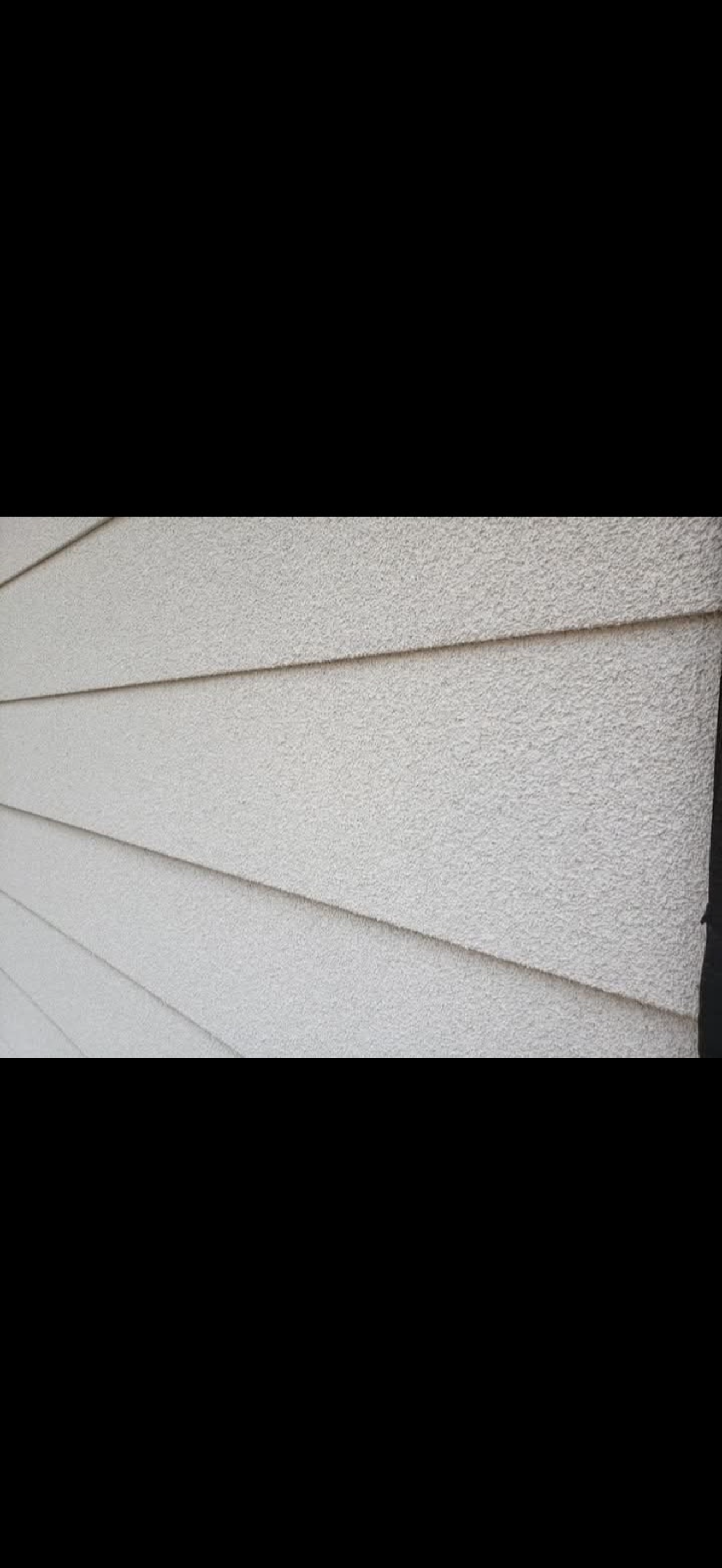
Spray-applied cork follows the form of the surface beneath it. Colour and texture can give an exterior a different appearance without automatically changing its architectural lines.
The project photographs feature VIPEQ Thermal CorkShield. The exact product, preparation, application specification and applicable warranty belong in your written proposal.
Ask about your surfaceSUITABILITY COMES FIRST
What’s underneath matters.
Potential candidates
Sound exterior siding, stucco, masonry and other compatible surfaces may be suitable after assessment. Existing coatings, adhesion, moisture and access all affect the proposed work.
Resolve before resurfacing
Rot, loose material, movement, active water leaks and structural defects need their own repair plan. A finish should never hide a problem that still needs attention.
PERFORMANCE, WITH CONTEXT
Ask for the report.
Check the whole assembly.
Manufacturer descriptions are a starting point. Fire, thermal, moisture and acoustic claims depend on the specific material, thickness, substrate and test conditions. A surface-burning classification does not make a wall fireproof or guarantee performance in a wildfire.
A thin coating does not replace required insulation, waterproofing or structural repairs. For a specified project, request current technical documents and review them with your designer or qualified project professional.
View VIPEQ product informationBEFORE YOU DECIDE
Useful answers.
In plain language.
What is spray-applied cork coating?
A textured coating made with cork granules and a binder, sprayed onto a properly prepared surface. It can renew the appearance of a suitable exterior while retaining the shape and character underneath.
Can it go over my existing exterior?
Possibly. Surface condition, adhesion, moisture, existing coatings and repair needs must be assessed first. Sound siding, stucco and masonry can be candidates; damage and water entry need attention before a finish is applied.
Is it a replacement for insulation?
No. A thin finish is not a substitute for code-required wall insulation or a complete building-envelope repair. Ask for the technical report that applies to the exact product and assembly being proposed.
Will it make a building fireproof?
No. A surface-burning classification is not a wildfire survival guarantee or a fire-resistance rating for a complete wall. Product, substrate, thickness and assembly matter. Fire-related specifications require review of the current test documents.
How much will my project cost?
The quote depends on measured area, surface preparation, repairs, access, masking, finish and travel. Send a project brief to start. Final scope and price follow a review of the building.
Do you work with commercial properties?
Commercial owners, property managers and project teams can request an assessment for one building or a group of properties. Include your site location, surface, quantities, access requirements and timing.